-
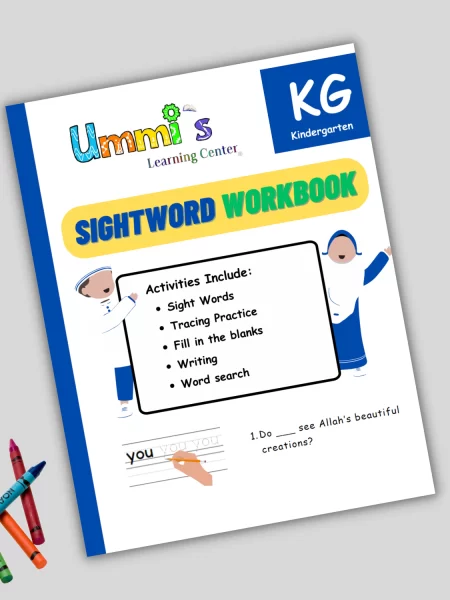
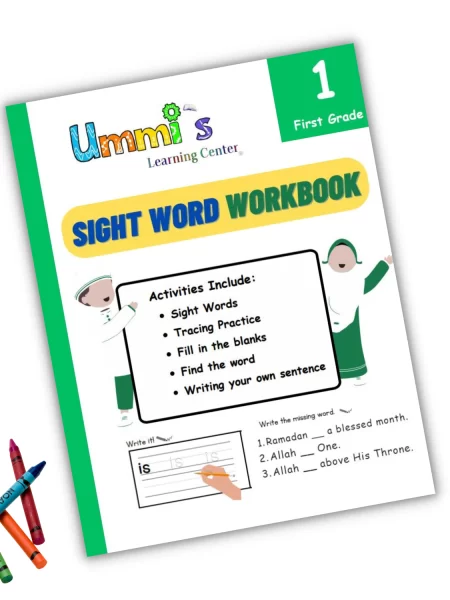
These outstanding KG sight word books are an indispensable tool for children seeking to enhance their word proficiency. Extensive research demonstrates the profound impact of literature attuned to children’s experiences on their academic development. Within our books, each word is thoughtfully contextualized with relevant sentences and interactive exercises, fostering a comprehensive grasp of the word while also promoting their deen.
-

Introduce young hearts to the beautiful life of the Prophet Muhammad ﷺ in a way they can truly understand and connect with. This first volume of our Seerah series takes children on a journey beginning before the birth of the Prophet ﷺ and continuing until the passing of his beloved uncle, Abu Talib.
Designed especially for ages 6–10, this workbook shares only the most essential and relatable details of the Seerah—keeping the lessons clear, engaging, and age-appropriate.
-

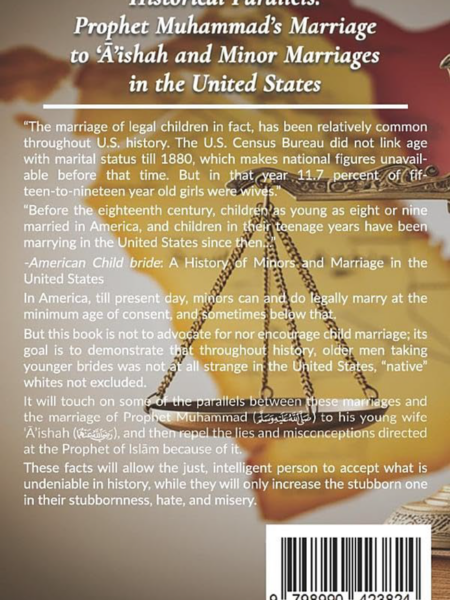
Historical Parallels: Prophet Muhammad’s Marriage to ‘Aishah and Minor Marriages in the United States
$12.00 Add to cart -
-
-
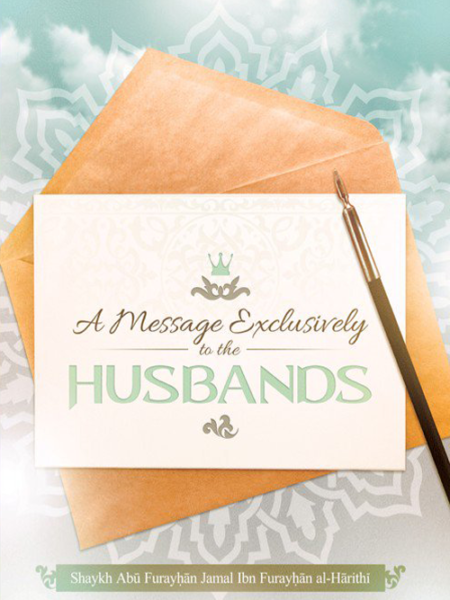
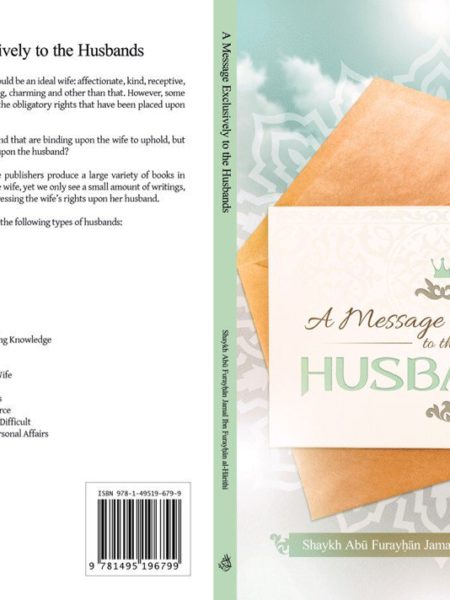
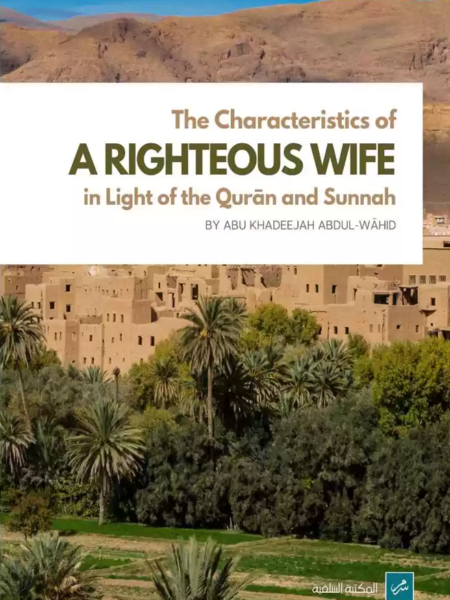
A Message Exclusively to the Husbands by Shaykh Abu Furayhaan Jamal Ibn Furayhaan al-Haarithi
Yes, there are rights belonging to the husband that are binding upon the wife to uphold, but where are the wife’s rights that are binding upon the husband?
Cart
Login
Register